
Category
Trading Education
Trading Education posts
Trading Education
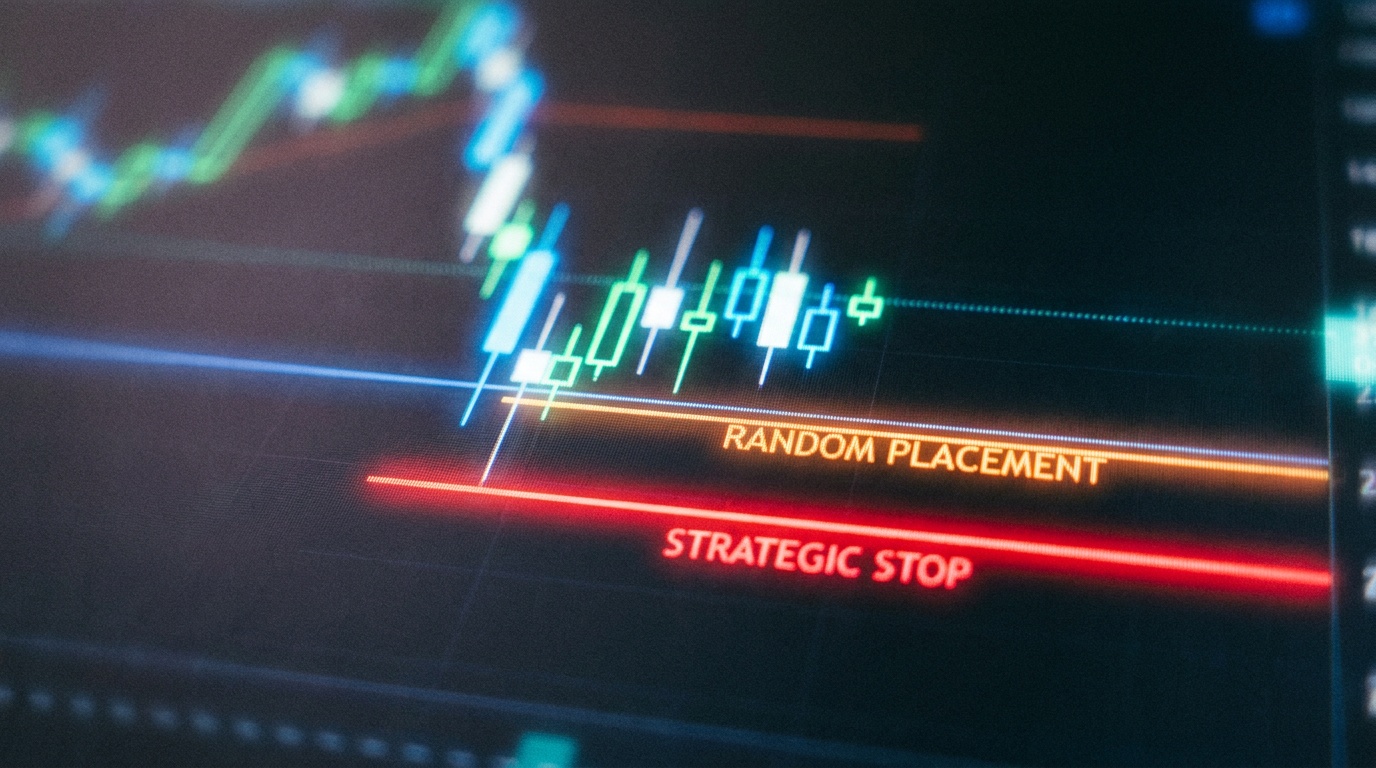
Stop-loss placement in forex: strategy guide
Stop-loss placement should follow your entry logic and current volatility, not arbitrary pip distances. This guide explains how to place stops systematically and size positions so your risk per trade stays within defined limits.
Trading Education
How to Read Forex Charts: Types and Timeframes
Forex charts display currency pair price movements over time. This guide explains how to interpret chart types, select timeframes based on your trading style, and use multi-timeframe analysis to reduce noise and confirm signals.
Trading Education
Technical Analysis Strategies in Forex Trading
Forex traders use technical analysis to study past price and volume data in search of patterns and signals that may predict future currency movements.
Trading Education
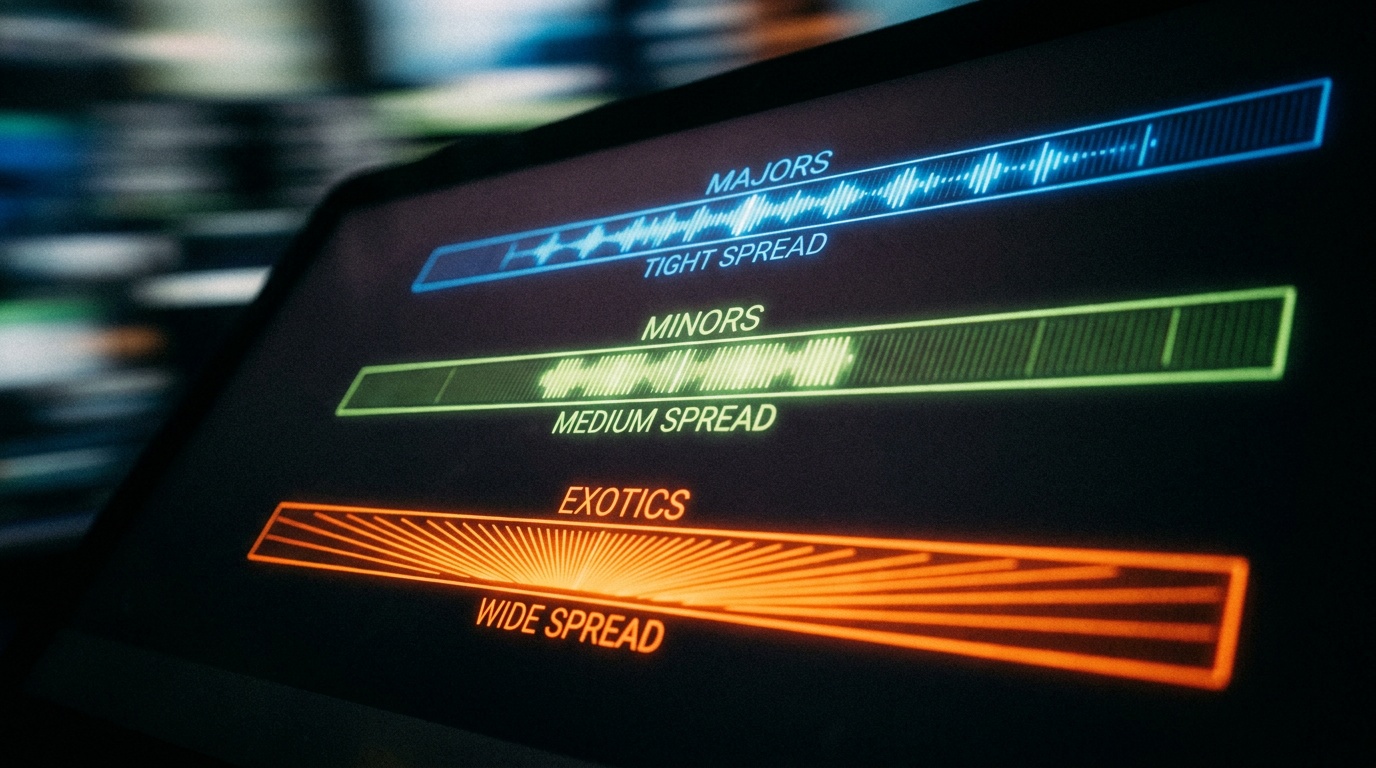
Forex Pairs at NextTrade: Spreads and Trading Sessions
Spreads and liquidity vary significantly across currency pairs. This guide compares NextTrade's 40+ forex pairs across account types and explains how to match pair selection with your strategy and preferred market sessions.
Trading Education
Position sizing for forex trading: the math
Position sizing calculates how many units of a currency pair to trade based on account balance, risk tolerance, and stop-loss distance. This guide explains the five-step calculation process, worked examples, and the practical costs and risks involved.
Trading Education
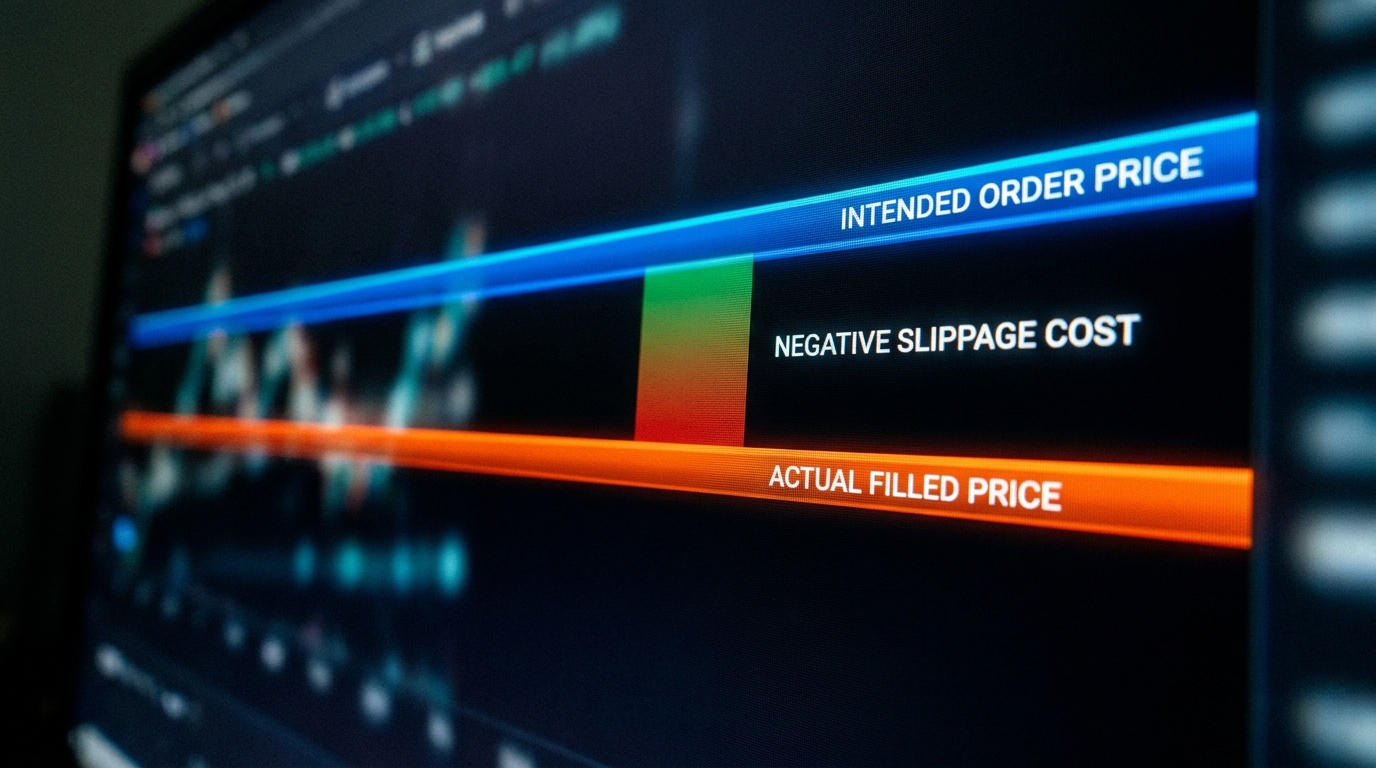
Slippage in Forex Trading: Causes and Controls
Slippage is the difference between the price you expect and the price you receive. This guide explains how it forms, shows real-cost examples, and covers practical steps to manage exposure.
Trading Education
Best Forex Broker Features: What to Compare
Choosing a forex broker involves weighing trading costs, platform tools, instrument range, and regulatory protections. This guide explains how to structure your comparison and evaluate brokers against your trading style and capital.

Trading Education
Forex Technical Analysis: Charts, Structure, Signals, Limits
Technical analysis helps identify trends, support, and resistance levels in forex markets by studying price action and patterns.
Trading Education
Forex Risk Management: Position Sizing and Stop-Losses
Most forex traders focus on finding profitable trades while ignoring the systematic risk controls that determine whether their account survives six months.
Trading Education
How to Choose Forex Pairs for Your Trading Strategy
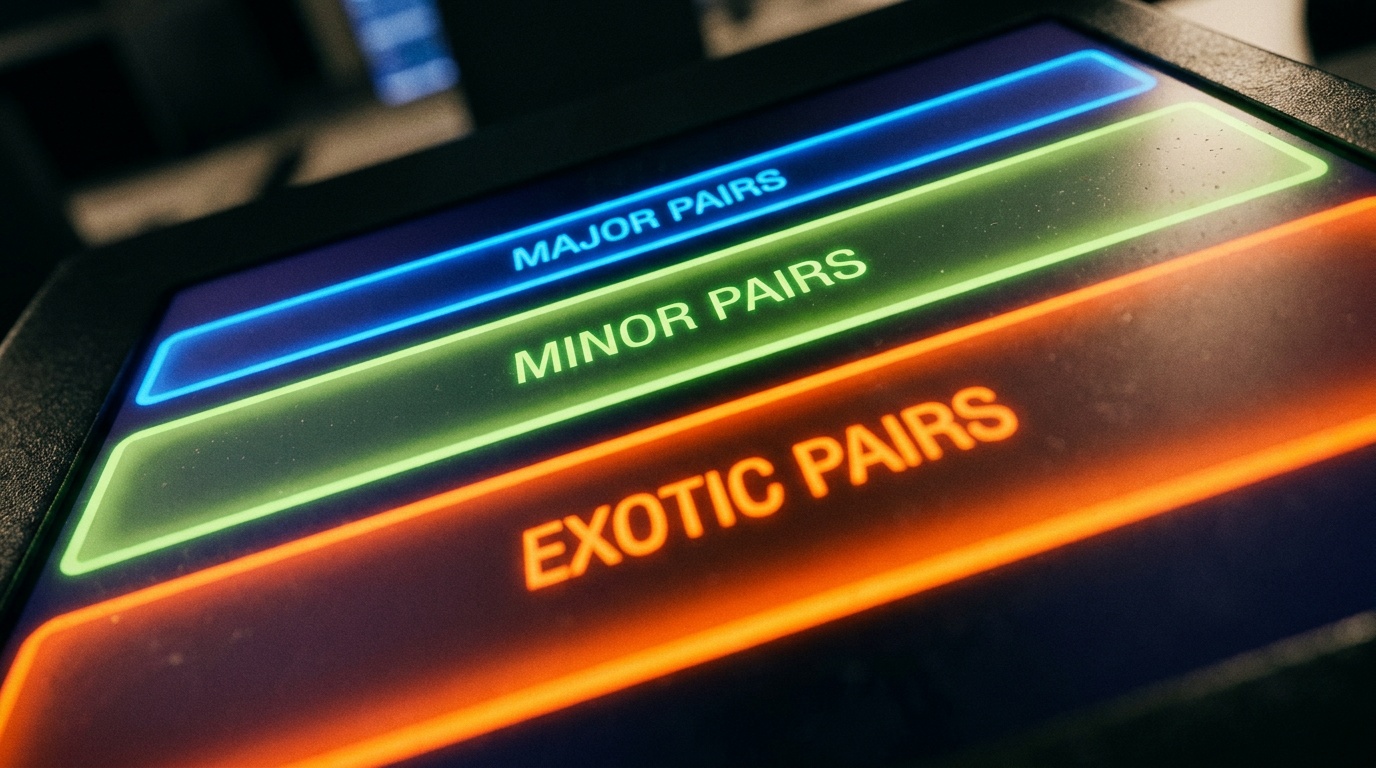
Currency pair selection depends on your trading strategy, available capital, and market session timing. This guide explains how to match pair characteristics—liquidity, spreads, volatility—to your risk tolerance and trading frequency.

Trading Education
Forex Trading Strategies: Types, Examples and Risks
Forex trading strategies are defined plans for buying and selling currency pairs, including entry and exit rules, risk management, and position sizing.
Trading Education
Raw Spread vs Standard Account: Which Costs Less?
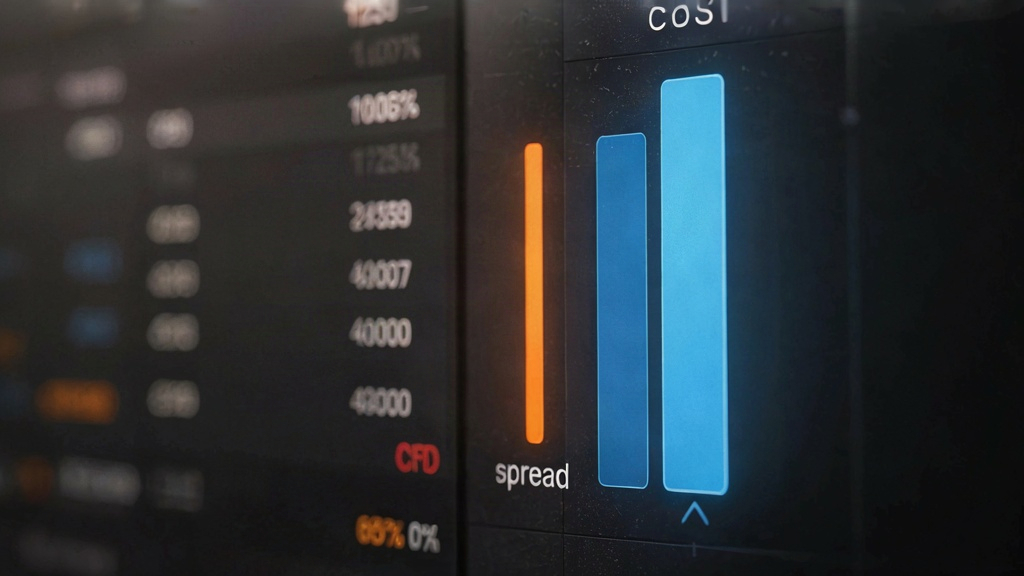
Standard accounts embed all costs in wider spreads. Raw Spread accounts charge narrower spreads plus a fixed commission. Which costs less depends on your position size and trade frequency.

Trading Education
How to Start Forex Trading in 2026 | NextTrade Broker
Forex broker minimums start as low as $50, but practical starting capital depends on position size, stop-loss distance, and risk management rules. This guide walks through the steps to begin trading and shows how to calculate the realistic amount you need based on your approach.
Trading Education
Margin Call vs Stop-Out: What Is the Difference?
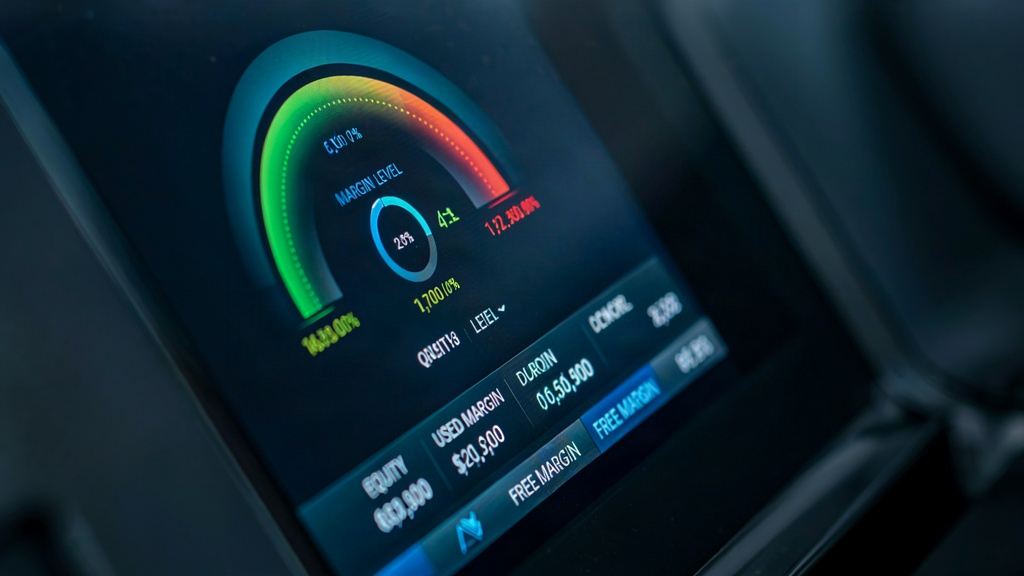
A margin call alerts you when equity drops to a critical threshold (typically 100% margin level), while a stop-out automatically closes positions at a lower level (often 50%). This guide explains the difference using formulas, worked examples, and practical risk management steps.
Ready to start trading?
Open your NextTrade account. Deposit from $25 on Standard, $100 on Raw, and access 130+ instruments with spreads from 0.0 pips.